WORKPLACE HEALTH & SAFETY

Most incidents don’t come from ignorance. They come from overload.

Your Brain's Vital Sign.

Bring objective visibility to workforce readiness so you can identify injury risk earlier and make safer, more confident decisions based on real work demands.

THE CHALLENGE

The hardest part of safety is that risk rarely announces itself.

The person who makes a mistake is often the person who usually doesn't. The day something goes wrong is often the day things felt normal.
Workplace safety systems are built on training, compliance, incident reporting, and supervision. These are essential. But they don't always capture what matters most in real time: fatigue, stress, cognitive overload, and reduced control when demand stacks.
Compliance training
Incident reporting
Coaching & supervision
The Biggest Pain Point

The workforce is aging. The demands aren't.

Across industries, the average age of the workforce is rising. Experienced workers bring irreplaceable knowledge, judgment, and reliability. But the cognitive and neuromotor demands of safety-critical roles don't adjust for age, and the gap between what the brain can consistently support and what the job requires can widen gradually, invisibly.

This isn't about capability. It's about visibility. An aging workforce doesn't need to be managed differently it needs to be understood more clearly.For fitness programs and trainers, this doesn’t require a new facility, additional staff, or complex equipment. NERON fits into what already exists, using simple tools and guided sessions to introduce a new layer of training.
  • Extend safe, productive careers for experienced workers
  • Identify readiness changes before they become incident risks
  • Support dignified, objective conversations about role fit and workload

See Decline Before Its Visible

When readiness is visible, safety leaders move from reaction to prevention.

PAST INTERVENTIONS
Reactive
Speculative
Unexplained
Incident-driven
WITH NERON
Earlier risk identification
Grounded return-to-work decisions
More explainable near misses
Prevention-focused culture

This isn't about replacing staff expertise.
It's about reducing unknowns in the highest-stakes moments.

WHY THIS MATTERS FOR SPORTS PERFORMANCE

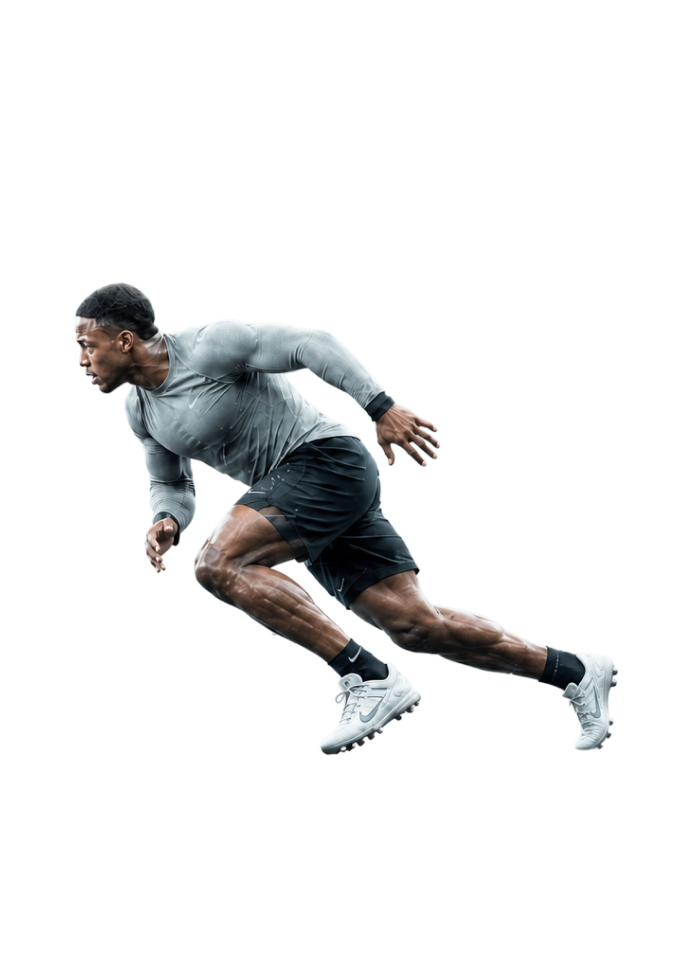
Are the demands we're placing on this athlete aligned with what their performance can actually support right now?

When brain performance is more stable, it supports faster decisions, cleaner execution, and consistent control under pressure. When that margin narrows, performance may still look strong in controlled settings — but becomes less reliable as speed, fatigue, or complexity increase.

These shifts don't define the athlete. They reveal how performance is responding to current conditions — which can change with workload, fatigue, recovery, and environment — and where risk begins to surface.
FOR PERFORMANCE DIRECTORS & SPORTS SCIENCE TEAMS  
Objective support for decisions about training load, recovery timing, and competitive readiness.
FOR ATHLETIC TRAINERS & MEDICAL STAFF  
Context for return-to-play conversations that goes beyond symptom resolution and self-report.
FOR COACHES BALANCING READINESS WITH RISK
A signal for when the athlete's brain is aligned with what the session or competition demands.
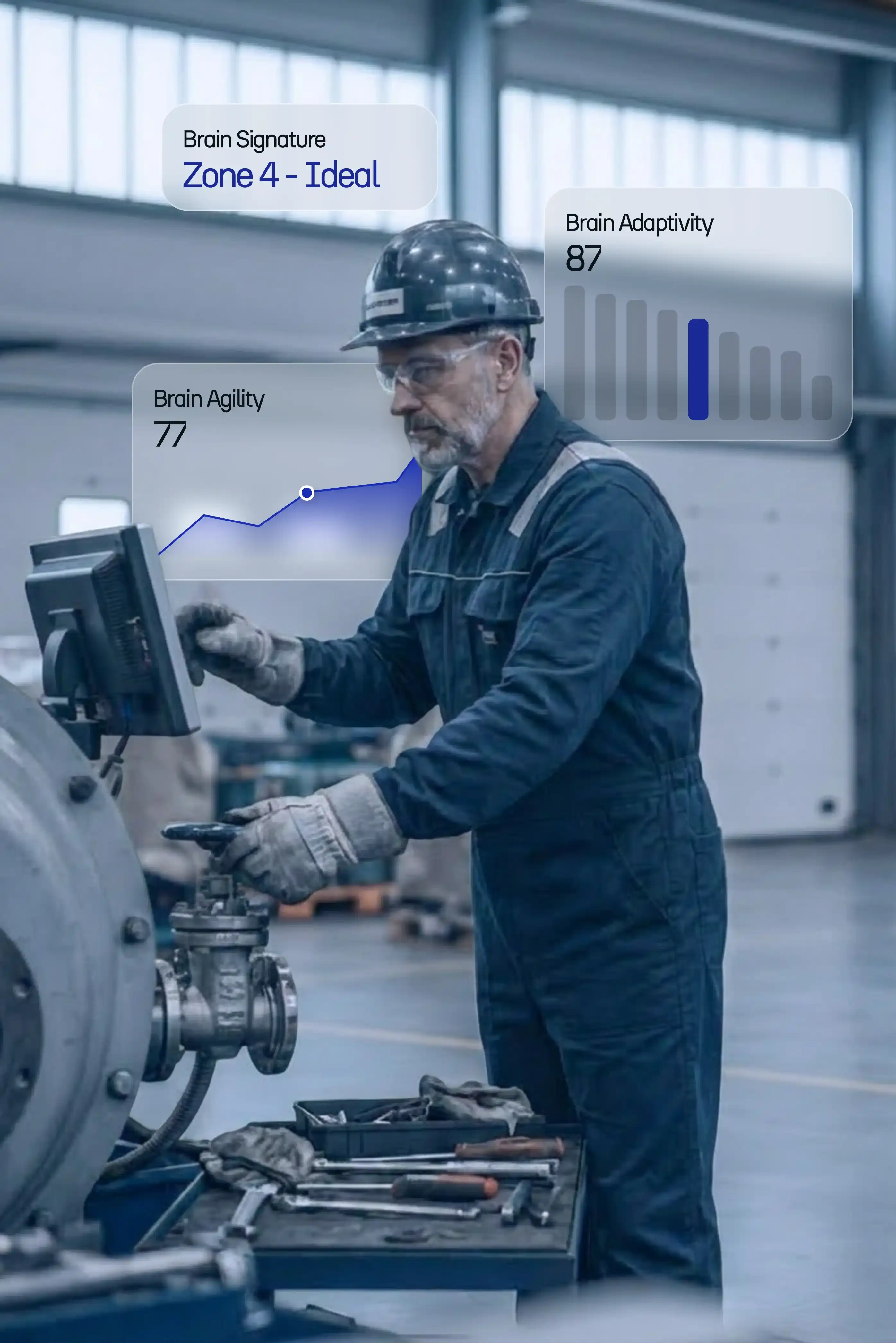
Brain Adaptivity
75
Brain Signature
Zone 5 - Optimal
Brain Agility
94
Why This Matters for Workplace Safety

What level of job demand is this person's performance reliably supporting right now and where might that margin begin to narrow?

When performance is more stable, it supports consistent control under complexity, better situational awareness, and greater resilience as demands increase. At other times, people may still perform routine tasks well, but show less consistency as conditions change, pressure builds, or cognitive load stacks.

These shifts don't define the individual. They reflect how performance responds to current work demands and where the margin for error may be narrowing. Rather than diagnosing or assigning blame, NERON provides context helping safety leaders make more informed decisions about readiness, risk, and return-to-work over time.
FOR SAFETY LEADERS & OPERATIONAL DECISION-MAKERS
Objective, non-punitive visibility into workforce readiness before incidents occur.
FOR OCCUPATIONAL HEALTH PROGRAMS
A consistent signal for tracking functional change across high-demand periods, shift work, and return-to-work.
FOR AGING WORKFORCE PROGRAMS
Proactive data to support experienced workers and extend safe, productive careers.
HOW TO READ IT

Brain Signature: Readiness Under Real Work Conditions

NERON reveals readiness through Brain Signature patterns showing how consistently performance holds up as demands increase, shift, or stack. Not a pass or fail. A direction.

IDEAL Neuromotor control
Consistent control under complexity, better awareness, greater resilience as demands increase.
WHEN THE SIGNAL STARTS TO SLIP
Routine tasks may still be performed well, but consistency decreases as conditions change or pressure builds.

These shifts don't define the worker. They reflect how performance responds to current demands — and where the margin for error may be narrowing.

HOW IT’S USED

Build a safety system that sees risk before it becomes an incident.

NERON is used to:
Establish baseline readiness for safety-sensitive and precision-dependent roles
Monitor change during high-demand periods — shift work, travel, and peak output seasons
Support return-to-work conversations with objective context beyond self-report
Reinforce safety culture with measurable insight, not blame
Track functional readiness across an aging workforce — proactively, not reactively
WHO THIS IS FOR
  • Safety leaders and operational decision-makers
  • Workforce health programs focused on prevention
  • Organizations with fatigue-sensitive or precision-dependent roles
  • Teams committed to reducing incidents and near-misses
Baseline Readiness
Establish where each worker starts before high-demand periods begin
Continuous Monitoring
Track how readiness shifts across shifts, seasons, and workload changes
Return-to-Work
Support conversations with objective context, not just self-report
Risk Prevention
Move from reacting to incidents to anticipating where risk is rising
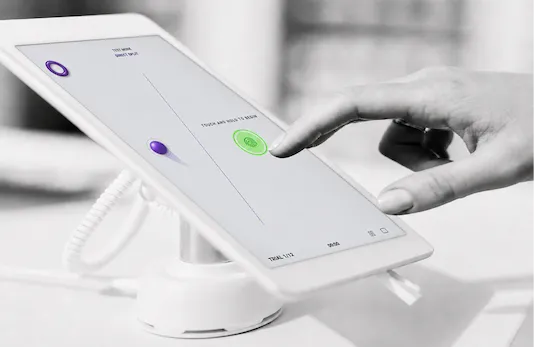
Individuals use a tablet to guide movement toward simple on‑screen targets.